
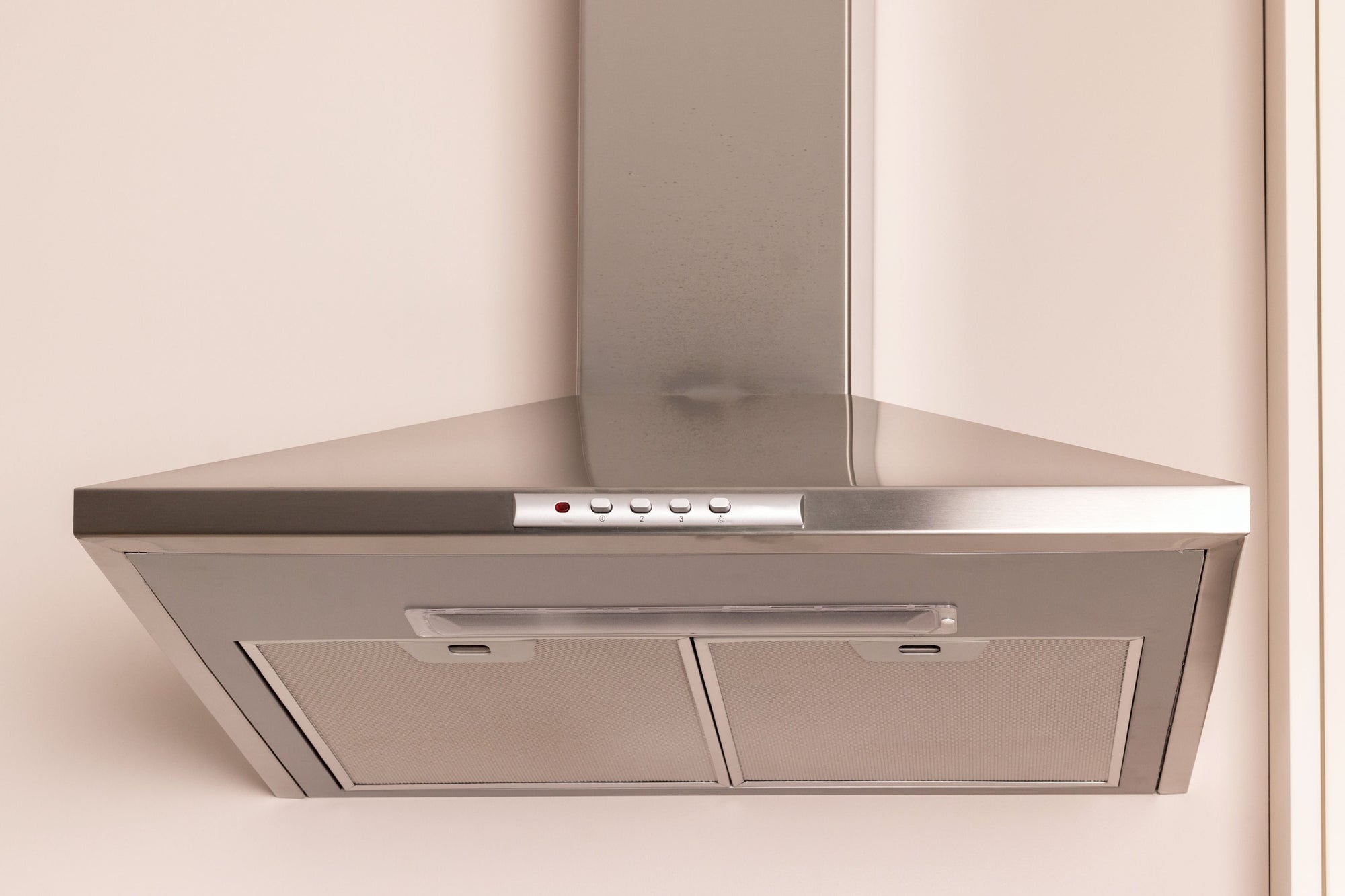
Walk into any appliance store, and you’ll hear the same question within five minutes: ducted or ductless? And honestly, most people just nod as they understand and pick whatever looks decent. But here’s the thing: when it comes to ducted vs ductless chimney, the difference isn’t small. It actually decides whether your kitchen stays fresh or smells like last night’s fish fried the next morning.
In Indian kitchens, where frying, tadka, and heavy masalas are normal, choosing between a ducted chimney for kitchen and a ductless chimney for kitchen setup isn’t just about convenience. It’s about what actually works day to day.
Key Takeaways
- In ducted vs ductless chimney, a ducted one removes air completely, a ductless one only filters it.
- Ducted chimney for kitchen setups handle heat, grease, and smoke much better.
- Ductless chimney for kitchen work when ducting isn’t possible but needs regular filter replacement.
- Indian cooking generally demands stronger ventilation, making ducted the better choice.
- A small chimney for kitchen spaces still performs better if ducted.
What Exactly is a Ducted Chimney?
A ducted chimney for kitchen setups is what most people should go for, especially if proper ventilation is possible.
How it actually works
- Direct air removal: The chimney pulls in smoke, oil particles, and steam, then pushes everything out through a pipe. Nothing comes back inside.
- Heat goes out too: This is a big one. Along with smoke, it throws out heat and moisture, which makes cooking way more comfortable, especially in summer.
- Better airflow: Since there are no thick carbon filters blocking the air, suction feels stronger and more consistent.
- Cleaner kitchen overall: Walls, cabinets, and even your ceiling stay cleaner for longer because the grease isn’t floating around inside.
This is why when people compare a ductless chimney vs duct chimney, the ducted one usually wins on performance.
What About a Ductless Chimney?
A ductless chimney for kitchen setups is more of a “no other option” solution.
How it handles smoke
- Air gets recycled: Instead of sending air out, it pulls it in, cleans it using filters, and pushes it back into the same space.
- Charcoal filters do the work: These filters try to absorb smells, but they don’t really remove heat or moisture.
- No duct required: That’s the biggest advantage, no wall cutting, no pipe, no installation headache.
- Maintenance is ongoing: Filters need to be replaced regularly. If you skip that, performance drops fast.
A small chimney for kitchen spaces where ducting isn’t possible often ends up being ductless, but it comes with compromises.
Difference between ducted and ductless chimney:
On paper, both sound fine. But in real life, especially in Indian kitchens, the difference becomes obvious pretty quickly.
Performance and daily use
- Air quality difference: In a ducted vs ductless chimney setup, ducted clearly removes smoke, heat, and grease completely. Ductless only reduces the smell a bit.
- Handling heavy cooking: Frying pakoras or making tadka? A ductless unit struggle. The filters clog faster than you expect.
- Heat management: Ductless systems push warm air back into your kitchen. Ducted ones actually cool things down by removing steam.
- Noise levels: Ductless chimneys often feel louder because the motor works harder to push air through filters.
Cost and maintenance
- Installation cost: Ducted chimneys cost more initially because of pipe setup and wall work.
- Long-term cost: Ductless seems cheaper at first, but replacing carbon filters every few months adds up.
-
Maintenance effort: Ducted = clean filters occasionally
Ductless = replace filters + clean regularly
When you look at ductless chimney vs duct chimney long-term, ducted usually ends up being more practical.
Which Chimney is Best: Duct or Ductless?
If you’re asking which chimney is best duct or ductless, the answer depends on one thing can you install a duct?
For Indian kitchens specifically
- Heavy oil cooking: Our food releases more grease than most Western cooking styles. Ductless filters choke quickly under that load.
- Strong smells: Garlic, onion, masalas, these smells don’t just “filter out” easily.
- Humidity and heat: Indian kitchens already get hot. You don’t want a system that throws that heat back at you.
- Real-world practicality: If ducting is possible, even with a little effort, it’s almost always worth doing.
So, for most homes, a ducted chimney for kitchen is the better call. A ductless chimney for kitchen is more of a backup option when you don’t have a choice.
Why Köche Usually Recommends Ducted Models
From experience, most people who cook regularly end up happier with ducted systems.
At Köche, the focus is on chimneys that actually handle Indian cooking, not just ones that look good in a showroom. That is why ducted models with strong suction and efficient airflow are usually recommended.
While the initial setup cost may be higher for ducted systems, you save on frequent filter replacements and maintenance compared to ductless options. Köche chimneys are powered by a BLDC motor, offering longer motor life, better energy efficiency, and lower annual electricity bills, making them a smart long-term investment.
That said, if someone genuinely cannot install ducting, ductless options are still available, along with clear guidance on maintenance and usage.
Also Read:
How Much Kitchen Chimney Suction Power Is Good for Indian Cooking?
Conclusion
At the end of the day, the ducted vs ductless chimney decision comes down to performance vs convenience.
If you want a kitchen that stays cooler, cleaner, and doesn’t hold onto smells, a ducted chimney for kitchen setup is the better investment. It takes a bit more effort in the beginning, but once it’s done, you don’t have to think about it much.
A ductless chimney for kitchen work when you’re limited by space or rules, but it’s more of a workaround than a long-term solution.
FAQs
Can I switch from ducted to ductless later?
Yes, many chimneys allow conversion. But performance will drop because the air isn’t being expelled anymore.
How often should filters be changed into ductless models?
For regular Indian cooking, every 3–4 months is realistic. Waiting longer usually reduces efficiency.
Does a ducted chimney need a special pipe?
Not really special, but smooth and rigid pipes work better. They reduce noise and don’t trap grease easily. This pipe is included with every Köche chimney you purchase.
Which one is better for a small kitchen?
A small chimney for kitchen of 60 cm size works best if it’s ducted. Small spaces heat up quickly, so proper ventilation helps a lot.
Is ductless cheaper in the long run?
No. It’s cheaper to install, but filter replacements and maintenance usually cost more overtime.

Share:
How to Install Kitchen Hob at Home: Step-by-Step Guide