
Summary:
With domestic LPG cylinder prices exceeding ₹900 in most Indian cities and periodic LPG shortage disruptions affecting millions of households across states, how to save LPG gas has become one of the most pressing kitchen questions of 2026. This guide covers 10 practical, immediately actionable LPG saving tips, helping Indian households reduce monthly cooking fuel costs without changing what they cook or how they eat.
Key Takeaways
- LPG gas cylinder price hike has increased domestic cylinder costs by over 60% since 2020 — making how to reduce LPG consumption at home a genuine financial priority
- The most effective gas saving tips cost nothing to implement — smarter cooking habits alone can extend each cylinder's life by one to two weeks
- Induction vs LPG cost in India now favours induction for boiling and reheating in states with electricity tariffs below ₹6 per unit
- Alternatives to gas — induction cooktops, electric pressure cookers, and microwave ovens — are not replacements but smart supplements that reduce monthly LPG dependency
- A household consistently applying these ways to save gas can realistically reduce monthly LPG consumption by 20–35%
Introduction
In 2026, cooking gas affordability and availability have become two of the most discussed household concerns across India. The domestic 14.2 kg LPG cylinder, priced at ₹594 in January 2021, has now crossed ₹1,000 in several major Indian cities following successive rounds of LPG cylinder price increase that show little sign of reversing under current global crude oil pricing dynamics.
The LPG shortage situation has added a layer of supply unpredictability to the price pressure. States including Uttar Pradesh, Bihar, Jharkhand, and parts of Rajasthan and Odisha have reported recurring refilling delays of 7–15 days during peak demand periods, a disruption that affects meal planning, daily routines, and household budgets simultaneously.
For India's 31 crore LPG-dependent households (Ministry of Petroleum and Natural Gas, 2025), the most immediate and practical response is not an immediate wholesale switch to alternatives to gas, it is dramatically improving the efficiency with which existing LPG is used. The LPG gas price per litre, now approximately ₹70–₹75 per litre in most markets, makes every unit of wasted gas a measurable financial loss. These 10 LPG saving tips address that loss directly, with zero additional investment required for the most impactful measures.
10 Smart LPG Saving Tips
1. Use a Pressure Cooker for Every Suitable Dish
The single most impactful of all how to save LPG cooking gas strategies, a pressure cooker reduces cooking time by 60–70% for dal, rice, legumes, and vegetables:
- Chana masala: 45 minutes open pot vs 12 minutes pressure cooker
- Rajma: 90 minutes open pot vs 20 minutes pressure cooker
- Use stackable pressure cooker vessels to cook rice, dal, and sabzi simultaneously, one cylinder of gas, one cooking session
2. Match Flame Size to Vessel Size
One of the simplest gas saving tips, a flame extending beyond the vessel base heats surrounding air, not your food:
- Keep the flame within the circumference of the vessel base at all times
- Use the medium burner at medium flame for most Indian cooking, full flame is needed only for tawa breads and stir frying
- Reducing flame by 30% below full for simmering dishes saves significant gas with zero impact on the finished result
3. Cover Vessels During Cooking
A lid is a free energy saver, covered vessels retain heat and steam, reducing boiling time by 30–40%:
- Water boils significantly faster in a covered vessel
- Dal and sabzi simmer at lower flame when covered, cutting gas consumption without affecting cooking quality
- Cover milk during heating, it reaches temperature faster and with less gas
4. Soak Ingredients Before Cooking
Pre-soaking is traditional Indian wisdom with direct LPG saving benefits:
- Soak rajma, chana, and whole dal for 6–8 hours, reduces pressure cooking time by 40–50%
- Soak rice for 20–30 minutes, cooks faster and at lower flame
- Soak poha and upma rava before cooking to reduce active cooking time
5. Exploit Residual Heat
Turn off the gas 3–5 minutes before the dish is fully done, retained vessel heat completes the cooking for free:
- Works exceptionally well for rice, khichdi, and upma
- Switch off the pressure cooker early and allow natural pressure release, residual heat finishes the cooking cycle
- This single habit saves 10–15 minutes of gas burn per cooking session for most Indian households
6. Cook in Batches
Cooking multiple dishes simultaneously or in large batches is one of the most practical ways to save gas:
- Light all burners simultaneously rather than cooking dishes sequentially
- Cook double portions of time-intensive dishes and refrigerate half, halving gas cost per serving
- Plan weekly menus to batch similar cooking tasks, one long cooking session uses less gas than three separate short ones
7. Keep Burners Clean
Clean burners burn gas efficiently; blocked ports waste fuel and reduce heat output simultaneously:
- A blue, even flame indicates complete, efficient combustion
- A yellow or orange flame indicates blocked ports and incomplete combustion, wasting gas and producing carbon monoxide
- Clean burner heads monthly, soak in hot soapy water, scrub ports with a toothpick, and dry completely before reinstalling
8. Avoid Unnecessary Preheating and Open Vessel Boiling
Common gas-wasting habits that are easy to stop:
- Do not preheat empty vessels, add food or liquid first, then ignite
- Never boil water in an open vessel when a covered vessel or electric kettle is available
- Reduce flame immediately after reaching boiling point, maintaining a rolling boil beyond what is needed wastes gas without cooking faster
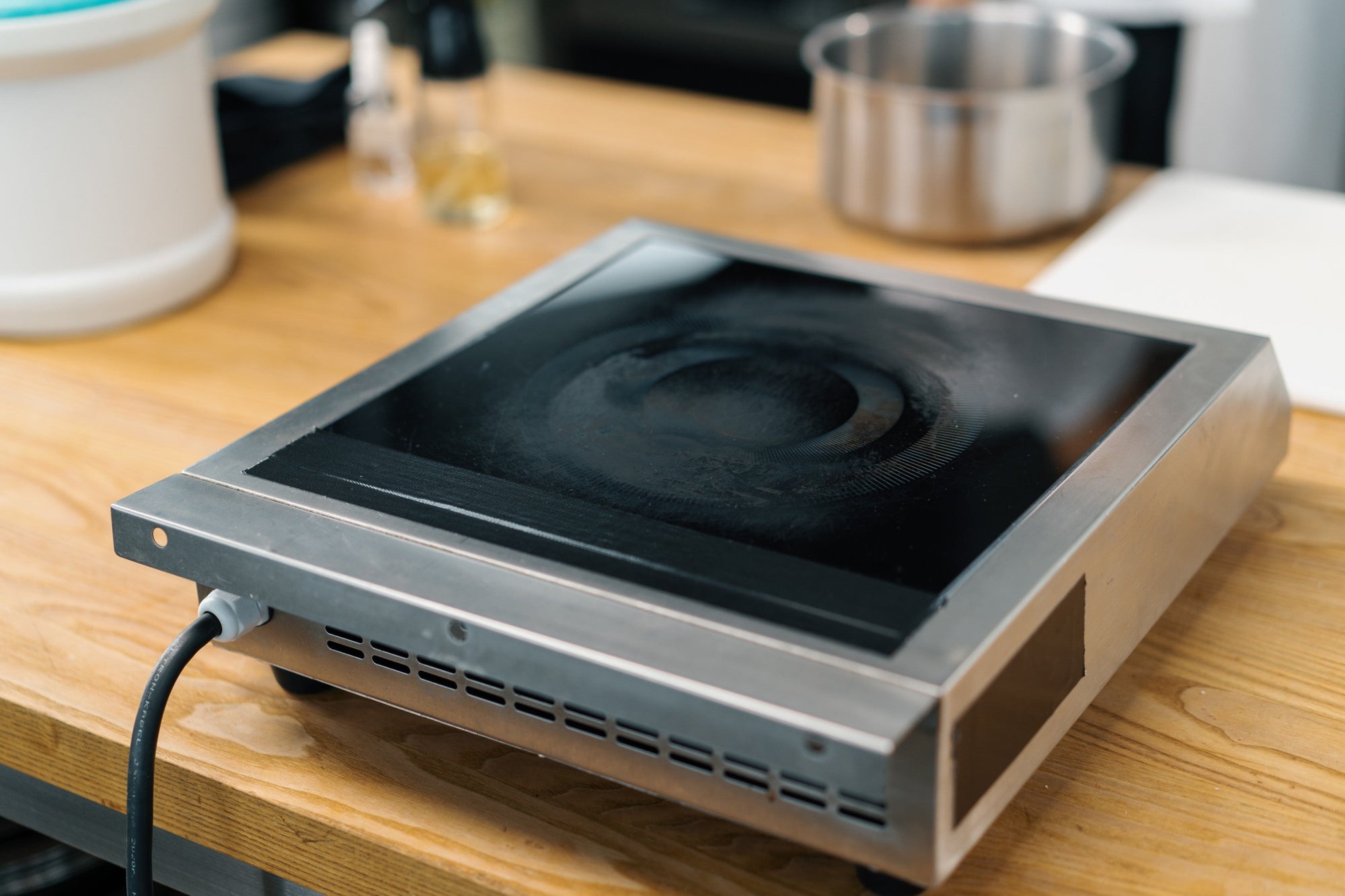
9. Use Induction as a Smart Supplement
The induction vs LPG cost calculation has shifted significantly in India's favour for induction in 2025:
- At ₹950 per LPG cylinder and ₹5 per electricity unit, induction cooking now costs approximately ₹3–₹4 per meal equivalent vs ₹7 per meal for LPG
- Use induction for water boiling, chai making, reheating leftovers, and slow cooking, tasks that collectively account for 25–30% of daily LPG usage in most Indian households
- A basic induction cooktop costs ₹1,500–₹2,500 — the LPG saving in 2–3 months covers the appliance cost in most urban Indian households
- Induction does not replace the gas stove for tawa breads, charring, and high-heat stir frying, it supplements it intelligently
10. Explore Genuine Alternatives to Gas for Specific Tasks
Practical alternatives to gas that are accessible and affordable for Indian households in 2025:
- Electric pressure cooker: Highly energy-efficient for dal, rice, and legumes, operates on electricity and is increasingly affordable at ₹2,500–₹5,000
- Microwave oven: The most energy-efficient option for reheating, defrosting, and cooking rice, reduces LPG consumption for these tasks to zero
- Alternative for gas cylinder in PNG-connected areas: Switching to piped natural gas eliminates shortage risk and is typically priced 20–30% lower than equivalent LPG cylinder usage, the most complete long-term solution for urban households with access
- Solar cooker: Viable in sun-rich Indian states, a box solar cooker can handle rice, dal, and vegetables on clear days with zero fuel cost; government subsidies available through state energy departments
Induction vs LPG Cost: A Quick 2025 Comparison
For a family of four in a city with ₹5 per unit electricity tariff:
- LPG cost per day: ₹950 cylinder ÷ 45 days = approximately ₹21 per day
- Induction cost for supplementary use (1 hour/day): 1.2 kWh x ₹5 = ₹6 per day
- Net monthly saving from hybrid approach: ₹200–₹350 per month — enough to cover an electric kettle or induction cooktop within 2–3 months of use
The induction vs LPG cost advantage increases with every LPG gas cylinder price hike — making the hybrid cooking strategy more financially compelling with each price revision.
Koche: Efficient Cooktops Built for India's Cooking Reality
At Koche, we build gas cooktops and kitchen appliances engineered for the financial and supply realities of India's cooking landscape in 2026. Our precision brass burners achieve complete, efficient combustion, producing the blue, even flame that extracts maximum heat from every unit of LPG consumed.
Our sealed burner designs concentrate heat directly on the vessel base, eliminating the sideways heat loss that wastes gas on poorly engineered cooktops. Whether you are maximising the efficiency of your current LPG setup or exploring a hybrid gas-plus-induction kitchen strategy, Koche provides the appliance quality and engineering precision that makes every rupee of cooking fuel go further.
Also Read: How to Keep Your Gas Stove Clean? Safety & Maintenance Tips
Conclusion
India's LPG shortage and LPG cylinder price increase trajectory show no signs of reversing, which makes how to save LPG gas consumption one of the most practically valuable kitchen skills any Indian household can develop in 2025. The ten LPG saving tips in this guide, from pressure cooker use and flame matching through to the induction vs LPG cost calculation and viable alternatives to gas, require no significant investment, no change in diet, and no compromise on the food you love. Applied consistently, they can reduce your monthly LPG spending by 20–35%, and ensure that when the next LPG gas cylinder price hike arrives, your household is already ahead of it.
FAQs
What is the current LPG cylinder price in India in 2025?
The domestic 14.2 kg LPG cylinder is priced between ₹900 and ₹1,000 in most Indian cities as of mid-2025 — an increase of over 60% from January 2021 levels following multiple rounds of LPG cylinder price increase. Prices vary slightly by city and state. The progressive reduction of domestic LPG subsidies means most urban households now pay close to full market price with zero or minimal subsidy support.
What are the most effective gas saving tips for Indian cooking?
The most impactful gas saving tips for Indian cooking are using a pressure cooker for every suitable dish, matching flame size to vessel diameter, covering vessels during heating, exploiting residual heat by switching off gas 3–5 minutes early, and keeping burners clean for complete blue-flame combustion. Applied consistently, these habits alone can reduce how to save LPG gas consumption by 20–30% without any change in diet or cooking routine.
Is induction cooking cheaper than LPG in India right now?
Induction vs LPG cost in India as of 2025, yes, for specific cooking tasks and in states with electricity tariffs below ₹6 per unit, induction is now cheaper per unit of heat delivered than LPG. Using induction for boiling, reheating, and chai making reduces monthly LPG consumption by 15–20% while adding a smaller amount to the electricity bill, delivering a net monthly saving of ₹150–₹350 for most Indian households.
What are the best alternatives to gas cylinder cooking in India?
The most practical alternatives to gas for Indian households are induction cooktops (for boiling and reheating), electric pressure cookers (for dal and legumes), microwave ovens (for reheating and rice), and PNG pipeline connection (for complete cylinder-free cooking where available). None of these fully replace the gas stove for high-heat Indian cooking — the most effective strategy is a hybrid approach using the most cost-efficient energy source for each specific cooking task.
How much LPG can an Indian household realistically save per month?
How to reduce LPG consumption at home realistically, a household of four consistently applying the LPG saving tips in this guide can extend cylinder life from 30 days to 37–45 days, saving ₹200–₹350 per month at current LPG gas price per litre levels. The saving compounds further when induction supplementation is added to the cooking routine, reducing dependency on LPG for a meaningful portion of daily cooking tasks.
References
- Ministry of Petroleum and Natural Gas, Government of India — Domestic LPG Pricing and Household Consumption Data (2024): www.petroleum.nic.in
- Petroleum Planning and Analysis Cell (PPAC) — LPG Price Revision History and Current Pricing (2025): www.ppac.gov.in
- Bureau of Energy Efficiency (BEE), Government of India — Cooking Energy Efficiency Guidelines: www.beeindia.gov.in
- Ministry of New and Renewable Energy (MNRE) — Solar Cooker and Clean Cooking Alternatives Programme: www.mnre.gov.in
Share:
A Complete Guide to Choosing the Perfect Gas Stove for Kitchen
Auto Ignition vs Manual Ignition Gas Stove: Which One Should You Buy?